Affordable Electronics Recycling Services for Businesses
Eco-Friendly Approaches: How E-Waste Recycling Services Are Preserving Our Planet
E-waste poses significant threats to the environment, as disposed electronics frequently harbor hazardous substances. Such dangerous compounds can pollute soil and water supplies, resulting in widespread environmental harm. E-waste recycling initiatives provide a practical answer. They successfully retrieve useful resources while simultaneously minimizing environmental pollution. Understanding how these services operate and their impact on communities is essential. Pursuing efficient e-waste management brings forth pressing questions regarding individual duties and shared responsibility. What steps can be taken next?
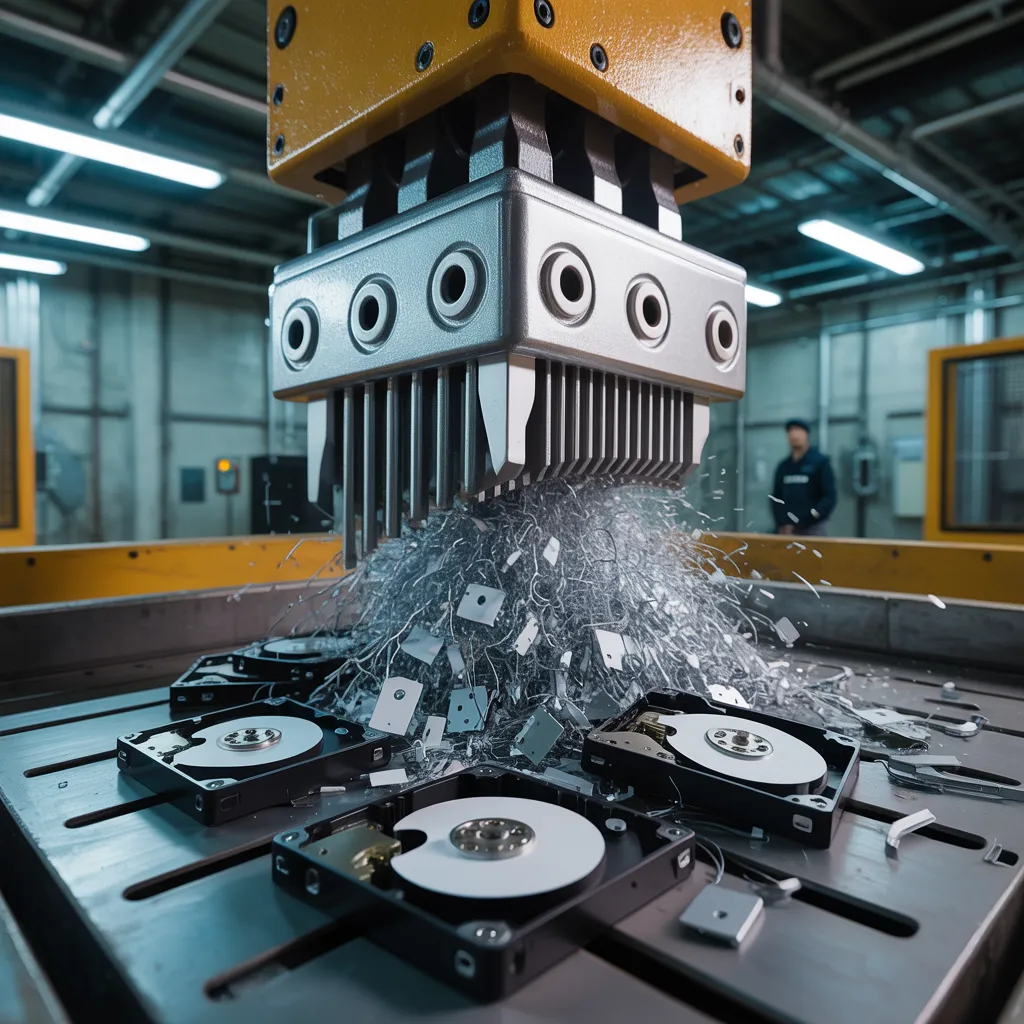
The Reasons E-Waste Is Damaging to the Planet
While technology enriches contemporary living, electronic waste presents serious threats to the environment. Abandoned electronic gadgets, often containing hazardous materials such as mercury, lead, and cadmium, may release harmful substances into groundwater and soil, posing risks to human health and ecosystems. The swift progression of technology results in greater consumer replacement of electronic devices, worsening the buildup of electronic waste.
Landfills, already strained by waste, are unable to keep up with the rising quantities of abandoned electronics. Incineration, another disposal method, releases harmful pollutants into the atmosphere, contributing to air quality degradation. In addition, improper recycling practices can lead to the exportation of e-waste to developing countries, where laborers may dismantle devices without adequate safety measures, exposing themselves to dangerous substances. This pattern of negligence and mismanagement highlights the critical demand for eco-friendly recycling alternatives that can reduce the damaging impact of electronic waste on the environment.
What Is E-Waste and Why Does It Matter?
Electronic waste, commonly known as e-waste, encompasses discarded electronic devices such as smartphones, computers, and televisions that have exceeded their operational lifespan. This rapidly expanding waste category is noteworthy because of its swift buildup, driven by technological advancements and consumer trends. As growing numbers of electronics become outdated, the environmental impact intensifies, with toxic materials such as lead, mercury, and cadmium presenting serious hazards to the environment and human well-being.
The significance of tackling e-waste extends beyond minimizing these risks to recognizing the valuable resources it holds. Critical metals and rare earth components can be reclaimed and recycled, decreasing the reliance on mining and protecting natural resources. With a thorough understanding of e-waste and its View more impact, people and organizations alike can make educated decisions about disposal and recycling, helping to build a more sustainable world. Effective handling of e-waste is vital for encouraging a circular economy and advancing environmental responsibility.
How the E-Waste Recycling Process Works
The recycling of e-waste encompasses an organized procedure designed to recover valuable materials while limiting ecological damage. At the outset, electronic waste is gathered and delivered to specialized recycling facilities. After reaching the facility, the electronics are carefully categorized to separate hazardous components from recyclable materials.
Following this, technicians break down the products, separating metals, plastics, and glass. This phase is essential, as it enables the reclamation of precious metals like silver, gold, and copper, which are repurposed in new electronic products.
Following this, the isolated materials are treated through cutting-edge techniques, such as chemical treatments and shredding, to refine them for further use.
In the final step, the leftover hazardous materials are disposed of responsibly, adhering to environmental guidelines. This multi-step approach not only saves important resources but also reduces the dangers connected to improper e-waste disposal, guaranteeing a greener future for electronic device usage.
Advantages of E-Waste Recycling for You and Your Community
Although it often goes unnoticed, the benefits of e-waste recycling extend beyond personal convenience to positively impact entire communities. By responsibly disposing of electronic waste, individuals play a role in creating a safer environment, minimizing toxic components that can seep into soil and water. This proactive approach actively safeguards local ecosystems and advances public health.
Moreover, the recycling of e-waste encourages the creation of jobs in communities. Regional recycling centers frequently need staff for diverse activities, including collection and processing, thus generating valuable job opportunities to area workers. This not only stimulates the local economy but also fosters community involvement in eco-friendly practices.
Furthermore, understanding of e-waste recycling may result in awareness campaigns, enabling residents to pursue greener alternatives. By engaging with e-waste recycling programs, individuals foster a culture of sustainability, encouraging others to do the same. In summary, the collective impact of these actions can create a more resilient and environmentally responsible community.
A Guide to Selecting an E-Waste Recycling Service
Picking the best electronic waste recycling provider is crucial for ensuring that electronic waste is managed responsibly and sustainably. To begin, individuals should check the company's certifications, such as e-Stewards or R2, which indicate conformance to established benchmarks for secure waste disposal procedures. It's also important to evaluate the organization's credibility by checking reviews and looking for advice from dependable sources.
Furthermore, openness in the recycling process is crucial. A trustworthy service should supply straightforward details about the way e-waste is handled and how the materials are utilized. Furthermore, considering the scope of services provided can prove valuable; various firms may supply retrieval services or extend benefits for recycling.
Finally, learning about regional rules concerning e-waste disposal may further shape the decision-making process. By taking these elements into account, individuals can contribute to responsible e-waste disposal while supporting eco-friendly habits.
Ways You Can Participate in E-Waste Recycling?
Engaging in e-waste recycling can start at the local level, where community recycling hubs frequently offer essential services for responsible disposal. Additionally, joining community awareness campaigns can enhance efforts to educate others about the importance of ethical e-waste practices. These actions not only encourage sustainable practices but also build a collective sense of responsibility toward the environment.
Nearby Recycling Facilities
A wide range of local recycling centers play an essential role in e-waste recycling, providing communities with accessible options to discard electronic waste in an eco-friendly way. These centers accept a range of electronic equipment, including old computers, smartphones, and televisions, ensuring that harmful materials are handled safely. Most stations have qualified professionals who are able to assist individuals with correct disposal techniques, emphasizing the importance of recycling over landfilling. Moreover, various hubs coordinate scheduled drop-off occasions or specific collection dates, making it easy for residents to participate. By taking advantage of these neighborhood resources, people help build a circular economy, minimizing ecological impact and fostering sustainable behaviors. Working alongside these hubs encourages communities to fight e-waste pollution decisively.
Public Awareness Initiatives
Nearby organizations, schools, and enterprises can partner to arrange initiatives that encourage e-waste collection drives. Volunteers can play a pivotal role in spreading awareness, distributing educational materials, and engaging with the community. Through these collective efforts, community members grow more knowledgeable and inspired to dispose of their electronics responsibly, ultimately contributing to a more sustainable future.
Questions We Often Receive
Which Types of Electronics Are Recyclable?
Numerous electronics may be recycled, including computers, smartphones, televisions, laptops, gaming consoles, and printers. Additionally, ancillary devices such as mice, keyboards, and batteries are well-suited for recycling, contributing to eco-friendly conservation initiatives.
Is There a Cost Associated With E-Waste Recycling?
Yes, e-waste disposal can include fees, subject to the facility. Certain providers impose charges for collection or processing, while others provide no-cost solutions, typically funded by the resale of recovered materials.
What Are the Benefits of E-Waste Recycling for Businesses?
Organizations can gain from e-waste recycling by minimizing disposal costs, strengthening their ecological standing, adhering to regulatory requirements, extracting valuable resources, and possibly earning income through resale, ultimately contributing to a more sustainable operational strategy.
What Happens to Data on Recycled Devices?
Details regarding repurposed equipment is frequently completely removed or destroyed throughout the recycling process. This ensures confidential data remains secure, stopping improper access while enabling materials to be recycled safely and responsibly within new applications.
Is It Possible to Recycle Damaged Electronics?
Indeed, broken electronics may be recycled. Numerous facilities take in defective devices, providing safe disposal and recovery of precious materials. Doing so helps lower harm to the environment while fostering eco-friendly recycling methods to control electrical waste properly.