Complete Guide to Electronics Recycling Services
The Definitive Guide to E-Waste Recycling: Why It Counts and How to Take Action
E-waste recycling is an essential yet often overlooked aspect of modern sustainability. As technology advances at a remarkable pace, countless tons of electronic waste build up annually, creating substantial environmental hazards. Grasping the complexities of e-waste disposal enables people to make well-informed decisions. This guide not only outlines effective recycling practices but also explores the broader implications for the environment and economy. The path to accountable e-waste management starts with several key actions.
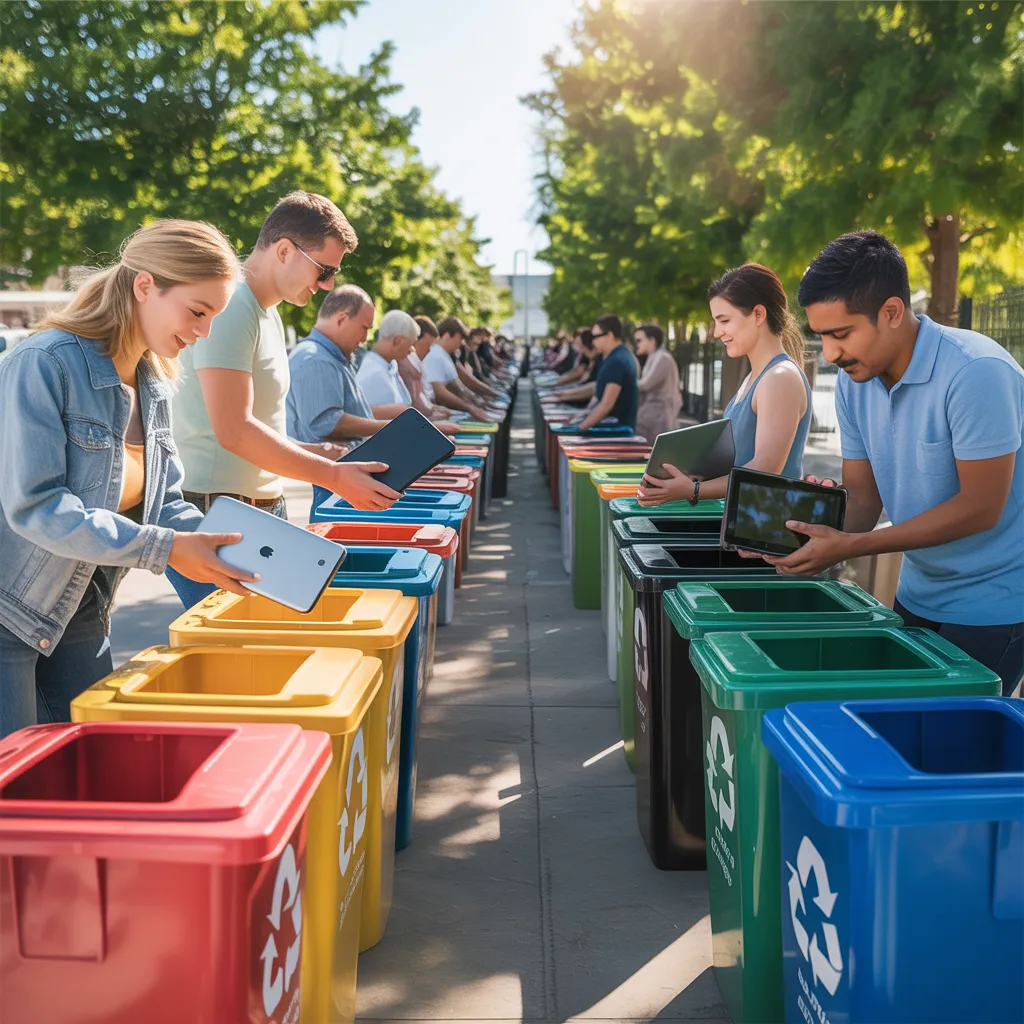
What You Need to Know About E-Waste
E-waste, also referred to as electronic waste, describes abandoned electrical and electronic devices, and understanding its implications is vital in today's digital age. The swift development of technology has caused a considerable surge in e-waste accumulation, with millions of tons produced annually. Such waste frequently harbors dangerous substances including lead, mercury, and cadmium, presenting significant ecological and health hazards when not handled responsibly.
Additionally, significant resources like rare earth metals, gold, and copper are present in these gadgets, which can be recovered through the recycling process. However, a substantial percentage of e-waste is deposited in landfills, intensifying resource depletion and pollution. Understanding of proper disposal methods and the importance of recycling can mitigate these issues, promoting a more sustainable approach to technology consumption. Recognizing the concept of e-waste is necessary for fostering responsible practices and driving impactful recycling efforts within local communities.
Getting Started with E-Waste Recycling
Making the effort to recycle e-waste can greatly impact the environment as well as personal accountability. To begin, one should take stock of their unused or damaged electronic devices, organizing devices such as smartphones, laptops, and printers. This approach assists in determining the quantity of electronic waste that must be managed. Next, researching local recycling programs is crucial. Numerous neighborhoods provide dedicated drop-off points or scheduled collection drives for electronic waste.
Users ought to educate themselves about the items that qualify and do not qualify for recycling, as regulations change based on the region. Once they have identified suitable programs, carefully securing the items for transportation ensures their safety and reduces the risk of damage. In conclusion, one should follow up on the disposal procedure, ensuring that qualified recyclers are responsible for handling the e-waste. By implementing these foundational actions, users support a more environmentally responsible world while responsibly managing their electronic waste.
The Environmental Impact of E-Waste Recycling
Frequently overlooked, the effect on the environment of electronic waste recycling is deep and wide-reaching. Proper e-waste recycling helps prevent hazardous materials, such as lead, cadmium, and mercury, from tainting soil and water resources. These harmful See all compounds can cause serious health hazards for both people and the natural world. By committing to recycling, critical raw materials like gold, silver, and copper are extracted, reducing the need for mining and diminishing the overall carbon impact associated with resource extraction.
Additionally, efficient e-waste recycling limits landfill dependency, where decomposing electronics release harmful chemicals. It supports a circular economy through the advancement of sustainable methods, motivating manufacturers to create products that prioritize recyclability. In addition, recycling can reduce greenhouse gas emissions by decreasing energy consumption compared to producing new materials. Taken together, the environmental gains of e-waste recycling reinforce its indispensable role in sustaining a healthier planet and ensuring accountable management of electronic resources.
Financial Advantages of E-Waste Recycling
E-waste recycling presents substantial financial benefits, particularly through workforce development and resource reclamation. Through the development of recycling centers, communities can generate employment opportunities while advancing environmentally responsible methods. Furthermore, extracting useful resources from discarded electronics minimizes the demand for virgin resource mining, resulting in substantial financial savings.
Work Creation Possibilities
Repurposing e-waste not only resolves ecological challenges but also functions as a powerful engine for job development. The electronic waste recycling sector creates numerous job prospects, spanning from gathering and categorizing to processing and restoring electronic equipment. As interest in environmentally responsible approaches rises, this field is broadening its scope, demanding expert workers in technology, engineering, and distribution. Local economies benefit as job creation often occurs in areas with high unemployment rates, leading to community development. Moreover, companies engaged in electronic waste recycling are able to encourage creativity and new ventures, nurturing a sustainable economic model. By supporting e-waste efforts, governing bodies and enterprises not only champion environmental responsibility but also bolster economic stability through valuable work opportunities.
Resource Retrieval Savings
The electronic waste recycling sector not only produces job opportunities but also delivers substantial financial benefits through resource recovery savings. Through the reclamation of valuable materials like gold, silver, and copper from discarded electronic devices, recycling minimizes the need for virgin resource extraction, which tends to be both costly and ecologically destructive. This approach reduces manufacturing costs for producers, eventually resulting in lower prices for end users. Additionally, the energy savings associated with recycling e-waste can be substantial, decreasing operational costs for businesses and improving overall economic efficiency. As well, as the global appetite for electronic devices continues to increase, streamlined resource reclamation from e-waste becomes progressively vital for supporting supply chains and bolstering economic stability. Consequently, electronic waste recycling represents a wise investment for both economic and environmental well-being.
Where You Can Recycle Your Old Electronics
Wondering where to dispose of outdated electronics responsibly? A wide range of choices can be found for recycling used gadgets, providing both environmental benefits and the reclamation of useful resources. Nearby recycling facilities frequently take in a broad range of electronic items, such as laptops, mobile phones, and televisions. Numerous local governments additionally organize regular electronic waste collection drives, providing a convenient way for residents to recycle items safely.
Major retailers like Best Buy and Staples run take-back schemes, enabling customers to drop off their used electronics upon buying new devices. Certain manufacturers offer mail-in recycling options, making it possible for users to mail their obsolete gadgets directly to specified collection facilities. Non-profit organizations may also accept donations of functioning electronics, prolonging the usable life of these devices while benefiting community programs.
Debunking Myths About E-Waste Recycling
While many individuals assume that e-waste recycling is inadequate, the reality is that well-organized initiatives can significantly minimize environmental harm. A popular misunderstanding is that e-waste winds up in landfills regardless of recycling efforts. In truth, reputable recycling facilities reclaim important components and safely dispose of hazardous components.
A common misconception claims that recycling electronics is too complicated or costly. Nevertheless, numerous local initiatives provide free drop-off locations, making it accessible for everyone. Several programs additionally feature convenient collection options.
Moreover, certain individuals assume that every piece of e-waste is recyclable, but not every item is recyclable owing to the specialized components they are made of. Being aware of local recycling guidelines is important.
To conclude, many believe that e-waste recycling cannot contribute to job creation. The truth is, the recycling industry produces thousands of livelihoods, boosting the economy while promoting environmental sustainability. By addressing these misconceptions, the public can make informed choices about e-waste recycling.
Frequently Asked Questions
Is It Possible to Recycle Batteries With My E-Waste?
Batteries must not be disposed of alongside e-waste. Separate handling is necessary owing to the dangerous materials within them. Proper disposal options include specific recycling centers or collection events designed for batteries, ensuring safe and environmentally friendly processing.
What Happens to My Data During Recycling?
When recycling devices, data stored on devices can be compromised without proper erasure. Reputable recycling facilities utilize dedicated processes to ensure total data elimination, protecting sensitive data from possible retrieval or misuse.
Are E-Waste Recycling Practices Governed by Law?
E-waste recycling is regulated by numerous rules and regulations that change depending on geographic location. These rules seek to ensure safe disposal, safeguard the environment, and manage hazardous materials effectively throughout the recycling process.
Is There a Fee for Electronics Recycling?
A number of electronic waste recycling centers may assess charges for processing electronic items, particularly for certain types like TVs or monitors. Even so, certain centers provide no-cost recycling, commonly financed through programs run by manufacturers or local initiatives encouraging responsible disposal.
How Do I Encourage E-Waste Recycling in My Local Community?
To support e-waste recycling across the community, community members can coordinate informational campaigns, partner with local businesses to host collection events, and utilize social media to post helpful content about environmental advantages and correct disposal techniques.